
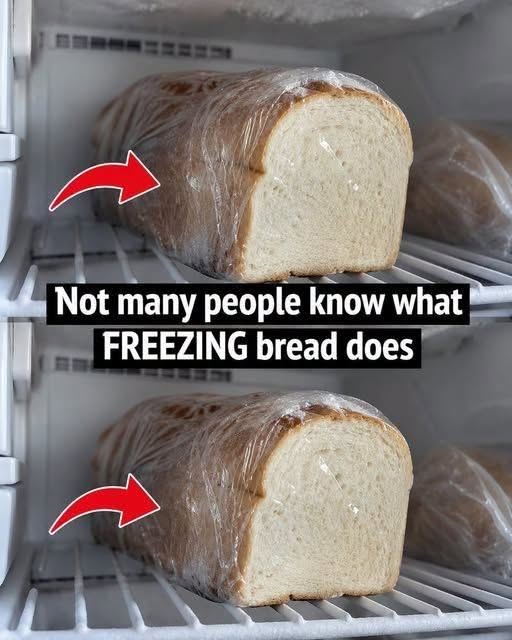
uncovered for one to two hours. This “flash-freezing” prevents slices from sticking together and minimizes condensation.
Once frozen, store the slices in a resealable bag, pressing out as much air as possible. Double-bag or wrap in foil for extra protection. This method works for buns, bagels, and specialty breads too, keeping them soft, fresh, and easy to use. When ready to eat, toast slices directly from the freezer or leave them in airtight packaging at room temperature to thaw. Avoid microwaving without protection, as it can ruin texture.
By taking these small steps—slicing, flash-freezing, and proper storage—frozen bread becomes a reliable, convenient household resource. It reduces waste, saves money, and ensures meals run smoothly, even in busy households. Over time, this simple routine transforms bread from a fleeting staple into a stress-free, ready-to-use component of everyday life.


