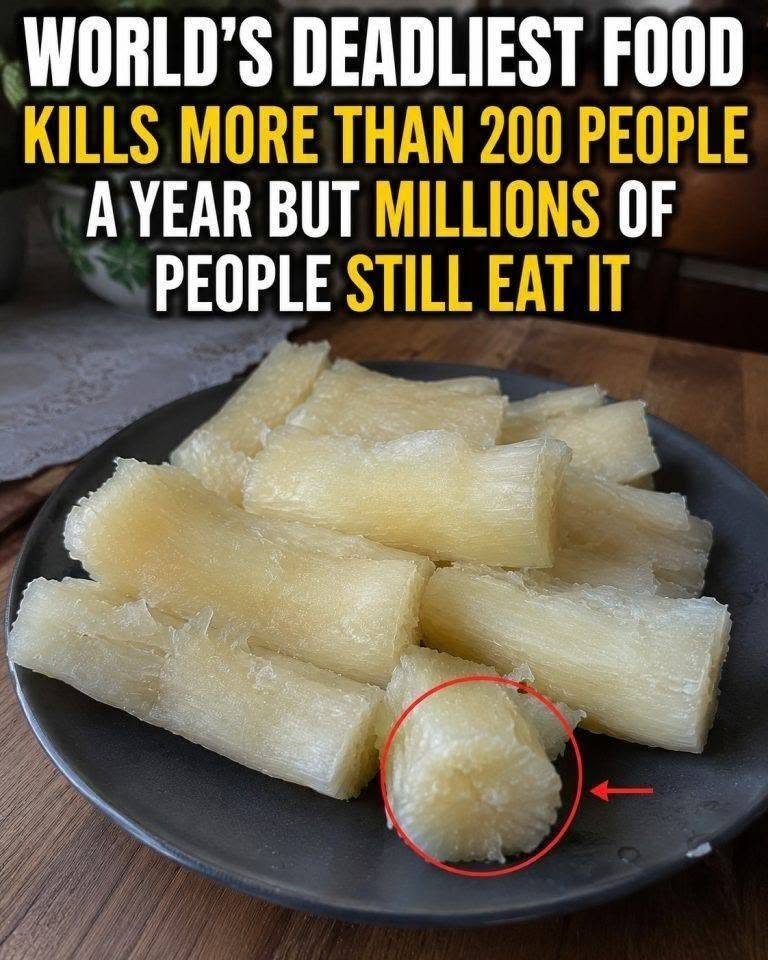
incredibly versatile – it can be boiled, mashed, fried, or processed into flour for breads and porridges.
Understanding the Potential Risks Associated with Cassava
The “dangerous” label comes from cyanogenic glycosides, natural compounds in the plant that can break down into hydrogen cyanide (HCN) when the root is damaged or eaten raw. Research indicates that consuming improperly prepared cassava can lead to acute poisoning in severe cases or chronic issues with long-term exposure.Cassava cooking guide
This is why health authorities emphasize careful handling. However, the good news is that these
compounds are not inevitable threats when the right steps are followed.
Here’s where it gets interesting: the level of these compounds varies significantly between varieties.
Sweet Cassava vs. Bitter Cassava: Know the Difference
There are two main types of cassava:Cassava flour products
Sweet cassava: Lower in cyanogenic compounds, commonly sold in grocery stores in Western countries. Simple peeling and cooking are usually sufficient.
Bitter cassava: Higher in toxins, more common in certain regions. This variety requires more thorough processing like soaking and fermenting.