
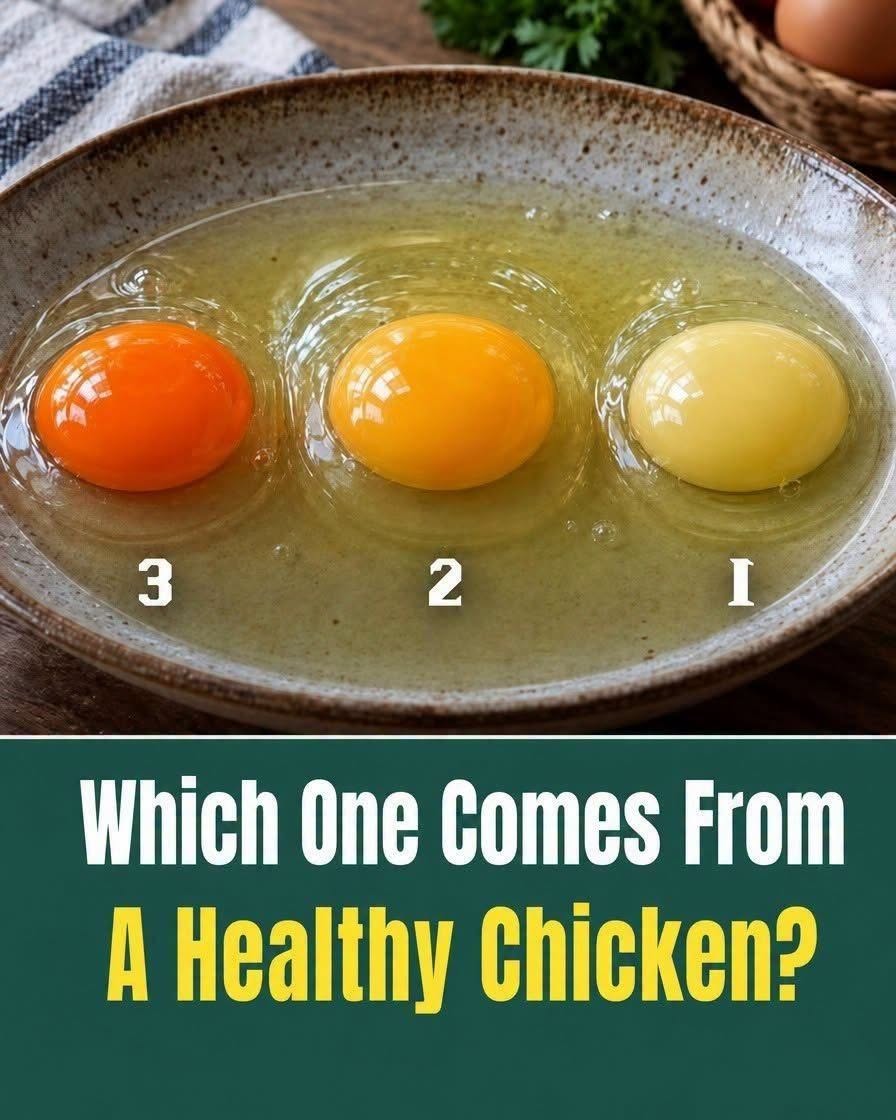
We have all stood in the grocery store aisle, peering through the cardboard window of an egg carton, playing amateur food critic. We tilt the box to catch the light, scrutinizing the pale yellows against the deep, fiery ambers. We have been conditioned to believe that color is a shortcut for quality—that a deeper, more vibrant orange yolk must mean a healthier hen, a cleaner pasture, and a significantly more nutritious breakfast.
It is a compelling narrative, reinforced by rustic marketing imagery of sun-drenched farms and happy, free-roaming chickens pecking at lush green meadows. But the truth behind yolk color is far more nuanced, scientifically fascinating, and occasionally deceptive than the marketing campaigns would have you believe.
The Science of Shade: What Actually Controls Yolk Color?
To understand why yolks vary in color, we have to look inside the chicken’s diet. Yolk color is, above all, a direct reflection of
what the hen eats—specifically, fat-soluble plant pigments known as carotenoids.
Carotenoids are naturally occurring pigments found in plants, algae, and some fungi. When a hen ingests foods rich in these compounds, her digestive system absorbs the pigments and deposits them directly into the developing yolk.
-
Xanthophylls and Carotenes: These are the primary carotenoids responsible for yellow and orange hues.


