
-
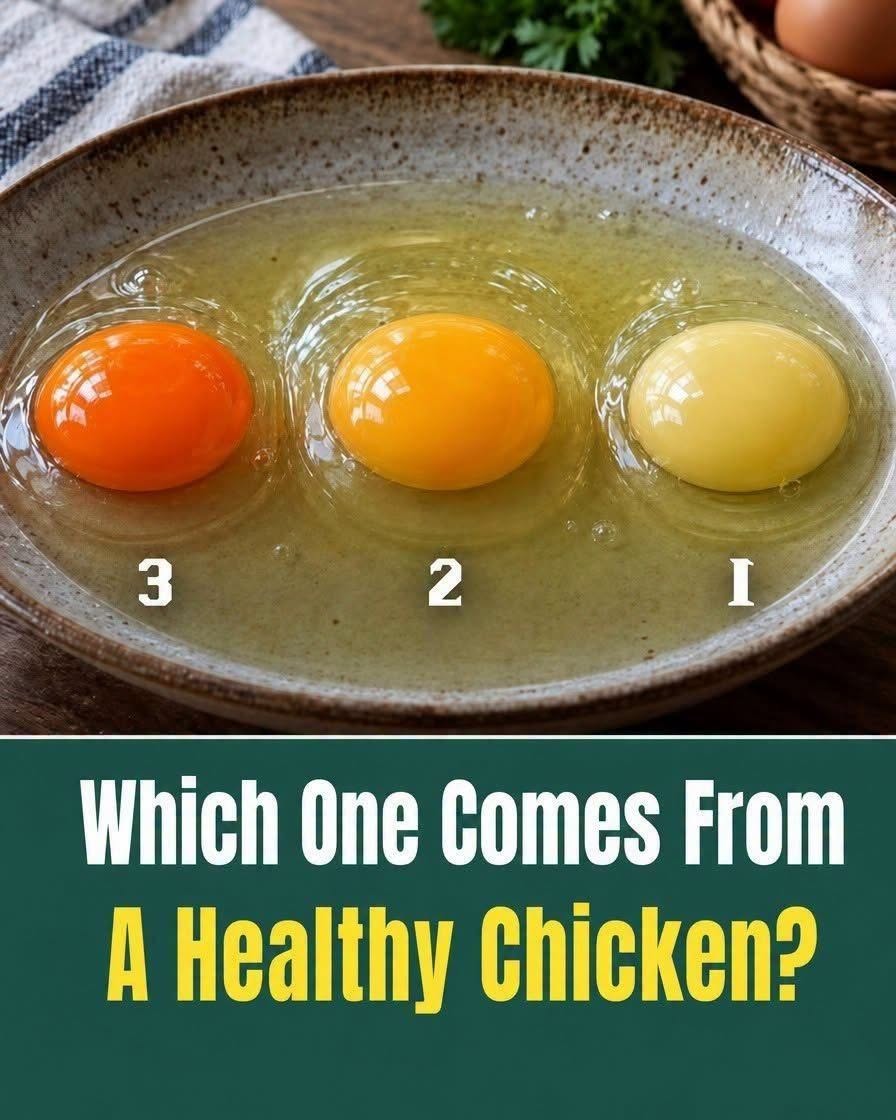
Natural Sources: Grass, alfalfa meal, corn, clover, and marigold petals are packed with these pigments. If a hen grazes freely on a vibrant pasture, her body processes these plants, resulting in a rich, warm, golden-orange yolk.
-
Alternative Diets: Conversely, if a commercial hen’s primary diet consists of pale grains like white corn, wheat, or barley—which contain far fewer carotenoids—her yolks will naturally be a much paler, buttery yellow.
Can You Trust Your Eyes? The Illusion of the Orange Yolk
Here is where the illusion begins to crack. While a dark orange
yolk can be the signature of a pasture-raised hen living her best life outdoors, it is not a foolproof guarantee.
In modern industrial farming, feed formulations are meticulously engineered. Farmers and feed manufacturers know that consumers prefer deep orange yolks. To meet this aesthetic demand without necessarily moving hens to open pastures, they can adjust the feed. By adding natural or synthetic pigment additives—such as concentrated marigold extract, paprika oleoresin, or even synthetic carotenoids like canthaxanthin—producers can artificially dial in any shade of orange they desire.


